October 30, 2026
Asphalt driveways represent a massive financial commitment for property owners, requiring consistent upkeep to maintain structural integrity. Without proper maintenance, paved surfaces deteriorate under continuous exposure to environmental elements. The asphalt binder loses its flexibility, causing the pavement to become brittle and susceptible to cracking. Homeowners neglect pavement maintenance until visible damage appears, leading to massive repair bills. Neglecting the pavement accelerates structural decline.
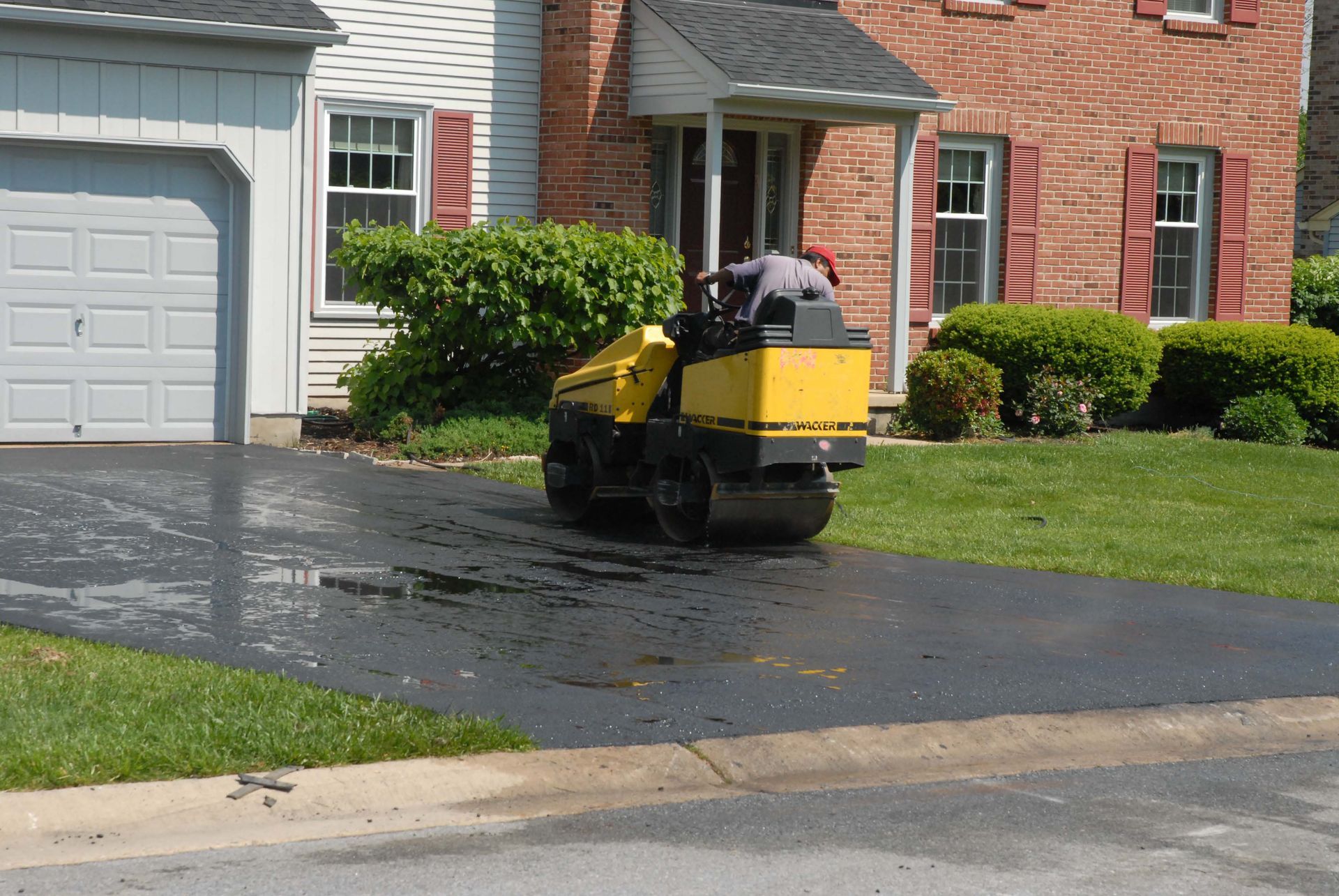
Applying a protective barrier over the pavement addresses these vulnerabilities before irreversible damage occurs. This preventative approach extends the lifespan of the driveway by shielding the underlying materials from destructive forces. Incorporating professional sealcoating services into a property maintenance routine ensures the asphalt remains resilient against daily wear. Consistent applications provide a vital defense mechanism for exterior surfaces. A proactive schedule protects the foundation.
Preventing Moisture Penetration and Structural Deterioration
Water poses a severe threat to asphalt surfaces, infiltrating microscopic pores within the pavement structure. Rain and melting snow seep into tiny crevices, weakening the bond between the asphalt binder and aggregate materials. Moisture trapped beneath the surface compromises the sub-base, leading to foundation failure. Continuous water exposure degrades the pavement structure from within, creating a hollow base. Structural collapse becomes inevitable without intervention.
Temperature fluctuations exacerbate water damage through a relentless freeze-thaw cycle. When trapped moisture freezes, ice expands, forcing the pavement to crack and heave. As ice melts, it leaves enlarged voids, inviting additional water penetration during subsequent storms. This repetitive process destroys the pavement integrity, creating severe surface distress and structural instability. The freeze-thaw cycle shatters the rigid asphalt base.
According to Fixr, asphalt driveway sealcoating is typically recommended every five to 10 years depending on the pavement's condition because it helps protect the surface from weather exposure and reduces premature deterioration. Property owners who adhere to this schedule prevent minor vulnerabilities from escalating into major structural failures. The protective layer seals surface voids, preventing moisture infiltration. A solid barrier stops water intrusion.
Utilizing professional sealcoating services ensures proper application of this vital moisture barrier. Technicians apply a uniform coating that fills microscopic cracks and seals porous areas against water intrusion. This comprehensive protection preserves the foundation strength, keeping the pavement intact through seasonal weather changes. A sealed surface sheds water with ease, directing runoff away from the vulnerable base materials. Water flows away from the paved area.
Blocking Ultraviolet Radiation and Oxidation Effects
The sun emits destructive ultraviolet rays that bake unprotected pavement surfaces. Continuous exposure to intense sunlight accelerates the oxidation process, drying out the vital asphalt binder. As the natural oils evaporate, the pavement loses its inherent flexibility and becomes brittle. Brittle asphalt cannot withstand the weight of vehicles without fracturing under pressure. The sun bakes the moisture out of the dark asphalt material.
Oxidation alters the chemical composition of the pavement, stripping away the components that hold the aggregate materials together. Without these binding agents, the surface begins shedding small rocks and sand, a process known as raveling. Raveling creates a rough, uneven texture that diminishes the pavement's functionality and visual appeal. The deterioration progresses as more surface material washes away. Aggregate loss weakens the driveway.
A fresh protective coat acts as sunscreen for the driveway, blocking harmful ultraviolet radiation from reaching the asphalt binder. The dark material absorbs the sun's rays while shielding the critical binding oils underneath. By halting the oxidation process, the pavement retains its essential flexibility and strength. Flexible pavement bends under vehicular weight instead of breaking. The oils remain trapped inside the thick pavement matrix.
Investing in routine sealcoating services maintains this vital ultraviolet shield over the life of the driveway. Technicians restore the protective barrier as previous coats wear away from daily usage and weathering. Consistent protection keeps the asphalt binder rich and supple, preventing the dry conditions that lead to severe surface failure. The driveway remains durable despite constant sun exposure. Shade becomes unnecessary for pavement preservation.
Resisting Chemical Spills and Automotive Fluid Leaks
Vehicles parked on driveways leak various petroleum products, including motor oil and transmission fluid. Because asphalt itself is a petroleum-based product, these chemical fluids act as solvents upon contact. When motor oil drips onto an unsealed driveway, it dissolves the asphalt binder holding the pavement together. This chemical reaction softens the surface, creating permanent structural weak points. The fluids eat through the binder.
Gasoline spills cause severe damage, eating through the pavement matrix upon contact. A small fuel spill deteriorates the aggregate bond, leaving soft depressions that turn into potholes. These damaged areas cannot support the weight of a vehicle, causing the pavement to crumble. The resulting craters require extensive patching or complete surface replacement to resolve. Potholes create major tripping hazards for pedestrians.
Sealant materials resist petroleum products, creating an impermeable barrier between automotive leaks and the vulnerable asphalt binder. When a vehicle leaks oil onto a protected driveway, the fluid remains on the surface instead of soaking into the pavement matrix. Property owners can clean surface spills using standard detergents before any chemical damage occurs. The barrier neutralizes the solvent effect of petroleum leaks. The protection saves money.
Utilizing quality sealcoating services equips the driveway with this crucial chemical resistance. Commercial-grade sealants contain specialized compounds designed to repel automotive fluids and household chemicals. Maintaining this chemical barrier prevents localized soft spots and subsequent pothole formation, saving property owners from extensive patching jobs. The pavement maintains uniform strength across the entire surface area. Chemical damage becomes a relic of the past.
Enhancing Visual Appeal and Property Curb Aesthetics
Constant exposure to weather and traffic fades the deep black color of fresh asphalt. The pavement turns a dull, light gray hue that makes the entire property look aged and neglected. This faded appearance diminishes the visual impact of adjacent landscaping and architectural features. A weathered driveway detracts from the overall attractiveness of the surrounding real estate. Gray pavement signals poor property management.
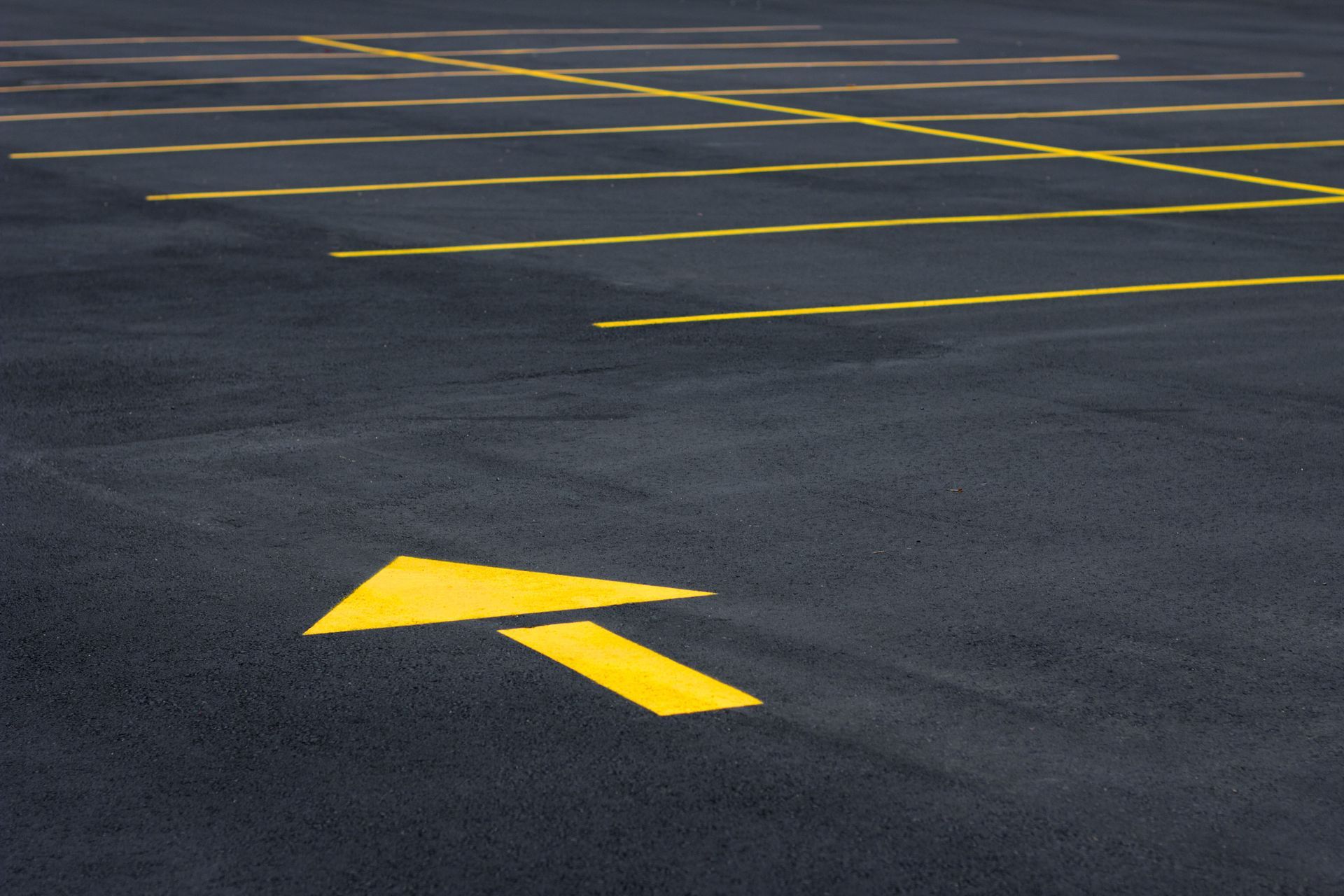
Applying a fresh seal coat restores the rich, dark finish associated with new pavement. The deep black color provides a striking contrast against green lawns and bright concrete sidewalks. This renewed aesthetic elevates the entire property facade, projecting an image of careful maintenance and pride of ownership. The transformed surface looks clean, uniform, and inviting. The dark aesthetic improves exterior home designs.
Beyond color restoration, the coating provides a smooth, even texture that makes sweeping and snow removal effortless. The protective material fills minor surface imperfections, creating a uniform canvas free of small pits and rough patches. A smooth surface resists dirt accumulation, allowing rain to wash debris away. The driveway maintains a pristine appearance with minimal manual upkeep required. Maintenance becomes a simple chore.
For individuals planning to sell a home, scheduling sealcoating services maximizes curb appeal for prospective buyers. A pristine, black driveway signals to buyers that the current owners perform diligent property maintenance. This positive impression translates into higher perceived property value and increased buyer interest. The aesthetic enhancement provides a massive return on the maintenance investment. Buyers appreciate a beautiful, well-maintained exterior surface.
Protecting an asphalt driveway requires proactive maintenance strategies to combat relentless environmental and mechanical stress. Sun, water, and chemical spills assault the pavement without pausing, threatening to compromise its structural integrity. Allowing these destructive forces to act unchecked leads to premature failure and massive replacement costs. Establishing a routine maintenance schedule preserves the initial paving investment for the long term. Prevention beats expensive foundation reconstruction.
Quality sealcoating services provide the necessary defense against these inevitable destructive elements. A comprehensive protective strategy preserves the asphalt's flexibility, blocks moisture, and maintains a striking visual appearance. Property owners who prioritize consistent driveway care enjoy durable, attractive pavement that withstands the test of time. Regular maintenance guarantees the driveway remains a functional and beautiful asset. Homeowners save money through diligent surface protection. At Two Brothers Paving, we are dedicated to helping you preserve your driveway's structural integrity and curb appeal. Contact us today to schedule our sealcoating services and secure the long-term health of your asphalt.