August 14, 2026
In the realm of pavement maintenance, sealcoating stands out as a crucial practice that ensures longevity, aesthetic appeal, and structural integrity. This article delves into the key reasons why sealcoating is indispensable for protecting pavement surfaces, outlining the processes, benefits, and considerations that come with it. Sealcoating is more than just a protective layer; it is a comprehensive strategy for maintaining the quality of roads, driveways, and parking lots. Understanding its various applications allows property owners, municipalities, and businesses to keep their surfaces in top condition. The following sections break down the multifaceted benefits of sealcoating and why it should be a critical component of any pavement maintenance plan.
1. Prolonging Pavement Life
A. Understanding Sealcoating Basics
Sealcoating is the process of applying a protective layer over asphalt-based pavements to safeguard them from the elements. This top coating shields the surface from damage caused by UV rays, water, oils, and other chemicals. Despite its simplicity, sealcoating plays a vital defensive role against asphalt degradation, making it an essential maintenance step. The process typically involves cleaning the current surface, filling in cracks, and then applying one or more coats of the sealant. By forming a barrier, sealcoating preserves the underlying pavement by reducing the rate of deterioration, thus extending the surface's life.
B. How Sealcoating Enhances Durability
The layer of protection provided by sealcoating enhances the durability of pavement by significantly reducing the impact of wear and tear. This prolonging effect is achieved by mitigating the oxidizing effects of the sun, which can cause asphalt to become brittle and crack over time. Moreover, sealcoated pavements are better at resisting oil spills and other chemicals, making them less susceptible to degradation. According to Fixr, asphalt driveway sealcoating is generally recommended every five to ten years, depending on the condition of the pavement, to protect the surface from weather exposure and reduce premature deterioration. Regular maintenance through sealcoating can extend the life of pavement by two to three times compared to unsealed surfaces.
C. Comparing Life Span: Sealed vs. Unsealed Pavement
One of the most compelling arguments for sealcoating is the stark difference in lifespan between sealed and unsealed pavements. Unsealed asphalt is continually exposed to environmental stressors, contributing to rapid aging and frequent repairs. In contrast, a properly sealed pavement can last considerably longer, due to the mitigation of environmental impacts and reduced overall stress. Sealcoating effectively creates a prevention buffer, where small issues are addressed before escalating into significant problems. This proactive maintenance approach not only extends the lifespan of the pavement but also significantly lowers future repair costs.
D. Cost Benefits of Extended Pavement Life
By extending the life span of pavement, sealcoating offers substantial cost savings over time. The initial investment into sealcoating is offset by the reduced need for repairs and resurfacing, which can be significant expenses. For owners of large properties or managers of municipal projects, the economic benefits can be significant. In addition to lower maintenance costs, these entities also benefit from less downtime and inconvenience associated with frequent repairs. When considering the long-term savings, the investment in sealcoating is prudent and cost-effective for both private property owners and public entities.
E. Case Studies on Pavement Longevity
Numerous studies illustrate the effectiveness of sealcoating in extending pavement life, providing compelling evidence for its adoption. For instance, a study conducted in a mid-sized city revealed that their sealcoated pavements exhibited fewer cracks and required patchwork half as often as untreated pavements. Another case from a commercial property demonstrated annual savings of 30% in maintenance costs through regular sealcoating compared to initial forecasted expenses. These real-world examples underscore the importance of adopting sealcoating as a mainstay in pavement maintenance regimes. The accumulated evidence strongly supports sealcoating as a smart investment for longevity and cost efficiency.
2. Protection Against Weather Elements
A. UV Radiation and Its Effects
One of the most detrimental factors to asphalt surfaces is UV radiation, which causes oxidation and degradation of the binder. Over time, exposure to sunlight causes asphalt to dry out, become brittle, and susceptible to cracking. Sealcoating acts as a sunscreen, reflecting the sun's rays and reducing the rate of oxidation. This protective barrier keeps the asphalt pliable, minimizing the formation of cracks and extending its workable life. By using sealcoating as a defense against UV radiation, property owners can significantly delay the aging process of asphalt surfaces.
B. Guarding Against Water Penetration
Water is one of the primary adversaries of pavement integrity, often seeping into small cracks and expanding them over time. During cold weather, water freezes and expands, exacerbating surface fissures and leading to potholes. Sealcoating effectively prevents water infiltration by sealing tiny cracks and providing a waterproof layer. This protection is crucial in regions with high rainfall or frequent freeze-thaw cycles, where water damage can quickly accelerate decay. By keeping water out, sealcoating ensures the foundation beneath the asphalt remains stable and secure.
C. Shielding Pavement from Snow and Ice
In climates where snow and ice are prevalent, sealcoating provides a critical defense layer against the challenges brought by winter weather. Snow and ice can cause significant surface wear, especially as chemicals and salt are applied to melt snow and ice, leading to increased rate of dissolution and pavement wear. Sealcoating prevents the snow and ice from binding to the pavement, making it easier to clear surfaces and reducing the likelihood of cracks and binding stress. Additionally, it keeps environmental salts from penetrating the surface and causing further chemical damage. Proper sealcoating primarily contributes to reducing winter-related damages, ensuring pavements withstand harsher climates without succumbing to environmental pressures.
3. Enhancing Visual Appeal
A. The Aesthetic Benefits of Sealcoating
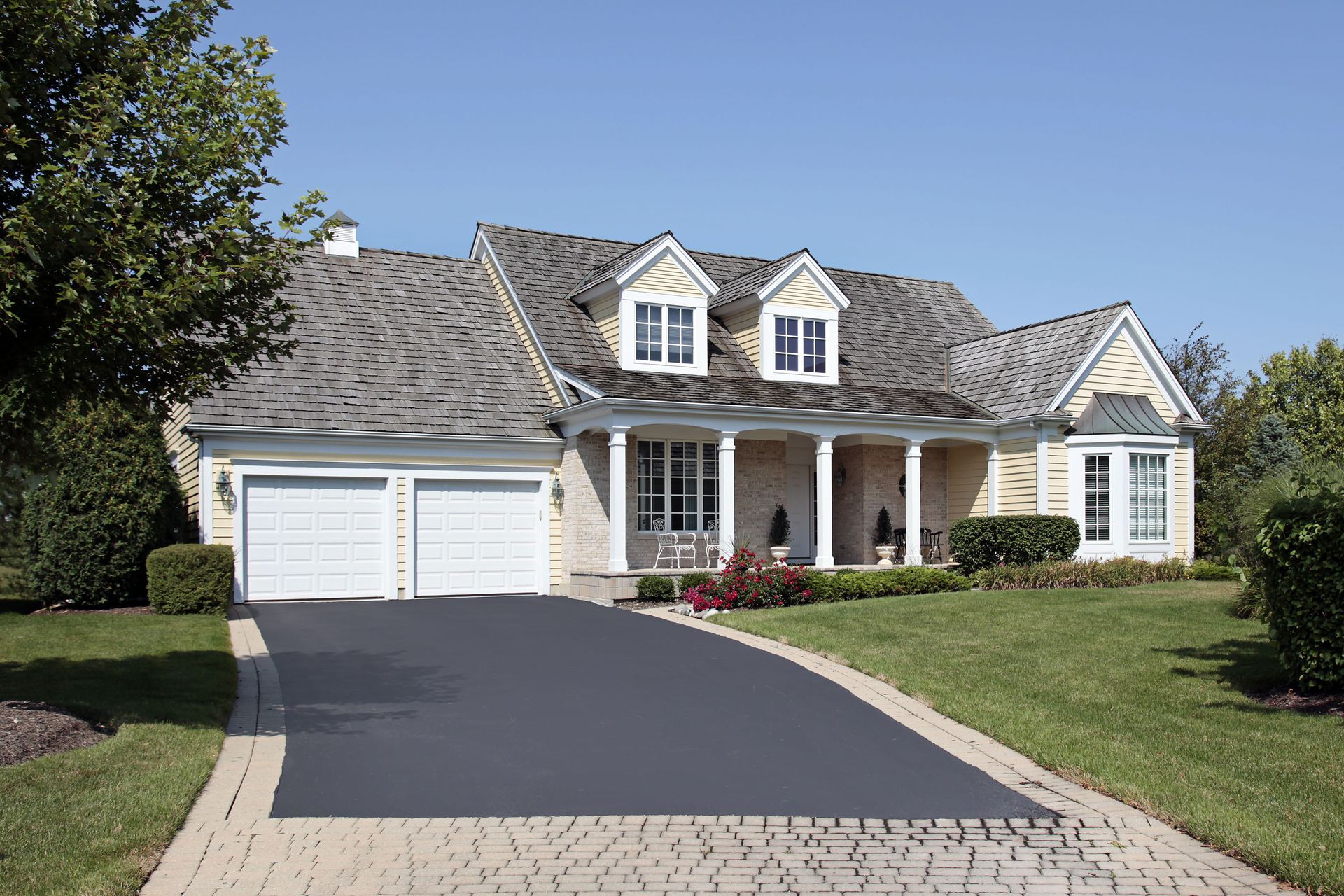
Apart from its protective benefits, sealcoating significantly enhances the visual appeal of asphalt surfaces. A freshly sealcoated surface appears smooth, uniform, and has a rich, dark hue, markedly improving its appearance. This aesthetic enhancement is particularly valuable in residential and retail environments, where visual appeal contributes to perceived property value. Regular sealcoating negates the eyesore of faded, oxidized, and cracked surfaces, replacing it with a fresh look. Through these visual improvements, sealcoating aids in maintaining the curb appeal of any property.
B. Restoring Color and Texture
Over time, the color and texture of asphalt surfaces degrade due to exposure to sunlight and harsh weather conditions. Sealcoating resets the surface, restoring its original black color and smooth texture. This refurbishment process is akin to restoring an old painting, revitalizing the vibrancy that time stripped away. The revitalized surface not only looks more attractive but also signals proper maintenance and care to visitors or potential buyers. Maintaining this surface appearance through regular sealcoating is an essential strategy for buildings and properties aiming to foster and maintain a positive image.
C. Importance of Curb Appeal in Property Value
Curb appeal is a critical factor in real estate value and attractiveness, influencing both first impressions and final selling prices. Well-maintained, aesthetically appealing pavements contribute significantly to the overall impression of a property. Sealcoating is an effective method to preserve and enhance curb appeal, emphasizing the care and attention given to pave surfaces. This impression translates into enhanced property values, ensuring that pavements do not detract from the overall attractiveness. Therefore, regular sealcoating is a prudent investment, contributing positively to both visual allure and financial valuation.
Sealcoating is an indispensable investment for maintaining the durability, safety, and visual appeal of any pavement surface. By protecting asphalt from harsh weather elements, chemical spills, and heavy traffic wear, routine sealcoating prevents minor defects from escalating into costly structural failures. Beyond its protective capabilities, it significantly lowers ongoing maintenance expenses, boosts curb appeal, and promotes long-term environmental sustainability. Implementing a consistent sealcoating schedule is the single most effective strategy to ensure your paved surfaces remain resilient, functional, and visually striking for years to come. Call Two Brothers Painting today for more.